Bicycle Accident Lawyer Denver: Your Guide to Filing a Strong Injury Claim
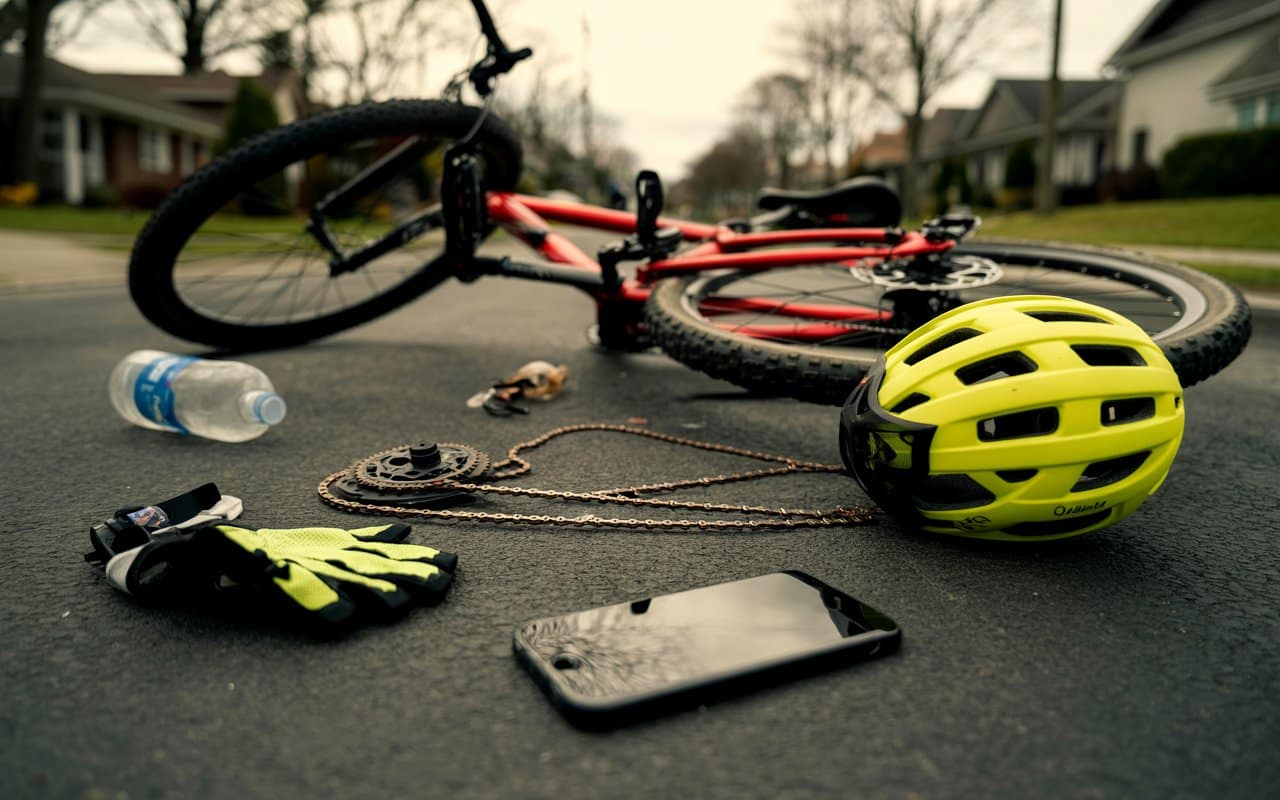

A bicycle crash can throw your life off course in a matter of seconds. One distracted driver, one careless left turn, one car door swinging open into a bike lane, and suddenly you are dealing with an ambulance ride, missed work, a damaged bike, and a stack of insurance paperwork you did not ask for. In Denver, where cycling is part of daily life for commuters, recreational riders, and serious athletes alike, these cases come up more often than many people realize.
What catches injured cyclists off guard is not only the pain of the collision. It is the way the claim unfolds afterward. Insurance companies move quickly. Evidence disappears fast. Memories shift. Road conditions change. If you wait too long to document what happened, the strongest parts of your case can slip away before anyone has a chance to use them.
That is where a Bicycle Accident Lawyer Denver cyclists can rely on becomes more than a legal formality. The right lawyer does not just file paperwork. They help shape the story of the crash with evidence, medical documentation, and a realistic understanding of how insurers evaluate risk. A strong injury claim is rarely built on outrage alone. It is built on proof.
Why bicycle accident claims are different from ordinary car crash cases
On paper, a bicycle injury claim may look like any other traffic case. There is a negligent driver, a police report, a bodily injury claim, and some dispute over money. In practice, bike cases are different in ways that matter.
For one thing, the injuries are often more severe than the visible damage suggests. A cyclist may walk away from the scene with road rash and a cracked helmet, only to discover a concussion, wrist fracture, shoulder tear, or lower back injury days later. Adrenaline hides pain. Soft tissue injuries evolve. Head injuries can look mild at first and become much more disruptive over time.
There is also a perception problem. Some adjusters and defense lawyers still approach bicycle cases with quiet bias. They may suggest the rider was hard to see, moved unpredictably, or should have been more cautious, even when the driver clearly violated the cyclist’s right of way. In Denver, where road design varies block by block and bike lanes sometimes disappear at the exact point they are most needed, fault is not always as simple as one side wants it to be.
Property damage can also be misunderstood. A carbon road bike, e-bike, custom commuter setup, or high-end gravel bike may cost several thousand dollars before you add lights, power meters, helmets, clothing, racks, and electronics. To a claims handler who sees “bicycle” and imagines a department store model, the real value may not register unless it is documented carefully.
The first days after the crash can strengthen or weaken your case
The period right after a collision often decides whether a claim becomes straightforward or difficult. People naturally want to get home, rest, and forget the whole event. That instinct is understandable, but it can cost you.
If you are physically able, the smartest move is to start preserving details immediately. Photos of the intersection, the lane markings, the vehicle damage, your injuries, your helmet, and your bike can make a major difference later. So can names of witnesses, dash cam information, nearby business cameras, and notes about what the driver said at the scene. A driver who apologizes in the moment may become much less clear once the insurance company gets involved.
Medical care matters just as much. Not because treatment is a box to check, but because a claim is strongest when it shows a clean line from collision to diagnosis to recovery. Gaps in treatment give insurers room to argue that you were not seriously hurt or that something else caused the pain.
If you are trying to protect a claim in the earliest stage, focus on these five priorities:
- Get prompt medical evaluation, even if you think the injuries are minor.
- Report the crash and obtain the police report information.
- Photograph everything, including injuries, bike damage, the vehicle, and the roadway.
- Avoid giving a recorded statement to the driver’s insurer before getting legal advice.
- Keep the damaged bike, helmet, and gear in their post-crash condition.
That last point comes up more often than people expect. A cracked helmet, bent wheel, torn jersey, or shattered bike computer can be compelling evidence. Do not repair, clean, or discard important items until they have been documented thoroughly.
Denver roads create their own patterns of bicycle collisions
Every city has its recurring crash scenarios. In Denver, certain patterns show up again and again. A driver turns right across a bike lane without checking. A left-turning vehicle misjudges an oncoming cyclist. Someone opens a car door into a rider’s path. A vehicle enters an intersection just as the cyclist proceeds with the signal. A driver passes too closely, forcing the rider into a curb, parked car, or another lane of traffic.
Busy corridors, downtown streets, neighborhood cut-through routes, and areas near light rail or event traffic can add complexity. Construction zones are another recurring problem. Temporary barriers, narrowed lanes, missing signage, and uneven pavement can turn a normal route into a hazard overnight.
Weather also plays a role in Denver cases, though not always in the way drivers claim. Rain, snow, glare, and early dusk conditions do not excuse careless driving. In fact, poor visibility or slick pavement usually increases the duty to slow down and pay attention. A driver cannot use bad conditions as a shield when those same conditions called for more caution.
What a Bicycle Accident Lawyer Denver riders hire actually does
People often assume a lawyer gets involved only when a lawsuit is filed. In reality, the strongest work usually happens long before a courtroom enters the picture.
A seasoned Bicycle Accident Lawyer Denver clients trust will begin by preserving evidence that can vanish quickly. That may include surveillance footage from nearby businesses, traffic camera requests, witness interviews, black box data in serious vehicle cases, scene photographs, and a close review of the police report for errors or omissions. If liability is disputed, the lawyer may work with an investigator or reconstruction expert to understand sight lines, lane positioning, speed, and impact angles.
Medical documentation is another major part of the job. Your records need to do more than prove you were treated. They need to tell a coherent story about diagnosis, symptoms, limitations, recommended care, recovery time, and whether the effects may linger. When records are sparse or confusing, insurers exploit that.
A good lawyer also calculates damages in a way that reflects real life. That means more than adding up current bills. It can include future treatment, lost income, reduced earning capacity, bike replacement costs, out-of-pocket expenses, pain, loss of normal activities, and the practical burden of living with an injury. A hand fracture means something different to an office worker than it does to a mechanic, surgeon, musician, or parent caring for young children. Context matters.
The legal work often includes these functions:
- Investigating fault and preserving evidence before it disappears.
- Managing insurer communications so you do not damage your own claim.
- Organizing medical proof and documenting the full scope of your losses.
- Negotiating from a position backed by facts, not frustration.
- Preparing the case for litigation if the insurer refuses to be reasonable.
That final point changes settlement leverage more than many clients expect. Insurance companies can tell when a claim has been assembled casually and when it is ready for trial. The second kind tends to get more serious attention.
Proving fault is not always as simple as “the driver hit me”
Cyclists are vulnerable, but vulnerability alone does not establish legal fault. A strong claim needs a clear liability theory tied to facts.
Sometimes the driver’s mistake is obvious. They ran a red light, failed to yield while turning, drifted into a bike lane, or opened a door into moving traffic. Other cases live in the gray area. Maybe there was no collision because the rider swerved to avoid a car and crashed alone. Maybe the driver insists the cyclist came out of nowhere. Maybe the intersection design confused everyone involved.
This is where evidence beats assumption. Tire marks, helmet damage, GPS data from a bike computer, witness angles, signal timing, and even injury patterns can help sort out what happened. In some cases, the police report helps. In others, it gets key details wrong because the reporting officer did not witness the crash and had to make a quick judgment on the roadside.
Colorado negligence rules also matter. If the defense can persuade a jury or adjuster that the cyclist was partly responsible, compensation may be reduced. In some situations, a finding of substantial fault can bar recovery altogether. That is why offhand comments matter so much. A rider saying “I never saw him” or “I might have been going a little fast” can be taken out of context and turned into a liability argument.
One of the more frustrating patterns in bike cases is the effort to treat safety behavior as a complete defense. Lack of reflective gear, dark clothing, or a missing light can become part of the conversation, but those facts do not erase a driver’s duty to watch the road. The https://andersonmpxf286.brightsora.com/posts/bicycle-accident-lawyer-denver-for-university-area-bike-accidents same is true with helmets. A helmet can affect injury analysis in some situations, especially in head injury disputes, but it does not give a negligent driver a pass.
Medical records often decide the value of the case
Clients tend to focus on the crash. Insurers tend to focus on the treatment. That gap in perspective is where many claims lose value.
If you miss only a day or two of work and recover quickly, the case may stay relatively simple. But if you develop lasting symptoms, need orthopedic care, physical therapy, imaging, or follow-up for a concussion, every record starts to matter. Complaints should be accurate and consistent. If your shoulder hurts, say so early. If headaches start three days later, report that too. Waiting too long to mention a symptom makes it easier for the insurer to argue it came from something else.
The same principle applies to daily limitations. A rider who cannot commute, lift a child, sleep comfortably, work a full shift, or return to training is living with losses that deserve to be documented. A short pain journal can help. Nothing dramatic, just honest entries about symptoms, appointments, missed events, and what ordinary tasks now require extra effort.
I have seen relatively modest-looking bike crashes turn into significant claims because the injured rider had a clean paper trail, followed treatment advice, and documented how the injury affected work and home life. I have also seen stronger injury cases settle for less than they should because the person delayed care, skipped appointments, or tried to tough it out for too long.
Insurance adjusters are trained to minimize uncertainty, not to “make it right”
Many injured cyclists go into the claims process expecting a practical conversation. Their thinking is simple: the driver caused the crash, the medical bills are real, and the bike is ruined, so the insurer should pay fair value. Sometimes it works that way. Often it does not.
Adjusters look for leverage points. They want to know whether liability is disputed, whether treatment was delayed, whether there were preexisting injuries, whether the cyclist returned to work quickly, and whether the person handling the claim seems impatient or financially strained. Those details shape offers.
Recorded statements are especially risky. An injured person trying to be polite may speculate about speed, visibility, or timing without realizing the legal effect. A simple answer like “I’m feeling better” can be used later to undermine a claim, even if the person still has pain.
Early settlement offers can also be deceptive. They arrive when bills are still coming in and before the rider knows whether the injury will fully resolve. Once a release is signed, the claim is usually over. If complications arise later, there is rarely a second chance.
Damages in a bicycle injury claim go beyond emergency room bills
A fair claim should account for the full economic and human cost of the crash. That sounds obvious, but many people undercount their own losses.
Medical expenses may include urgent care, ambulance charges, imaging, orthopedic treatment, physical therapy, neurological evaluation, chiropractic care when appropriate, medication, follow-up visits, and future treatment recommendations. Lost income may include missed shifts, depleted paid leave, reduced hours, freelance work that could not be completed, and lingering limitations that affect job performance.
Then there is the bicycle itself. High-quality bikes often appreciate in complexity faster than insurers appreciate in understanding. Replacement cost is not a guess. It is proven through purchase receipts, shop estimates, component lists, photos, and market pricing for comparable models. Accessories count too, especially when they were damaged in the crash.
Pain and suffering, while less concrete, are no less real. A cyclist with a fractured collarbone may lose not only comfort but independence, sleep, fitness, social connection, and the ability to enjoy a routine that shaped daily life. When biking is your commute, your stress relief, and your exercise, losing it can hit harder than an adjuster expects.
Cases involving city vehicles, road defects, or uninsured drivers require extra care
Not every bicycle accident claim follows the standard driver-versus-cyclist model. Some involve a city bus, a government vehicle, a dangerous roadway condition, loose gravel left after construction, or an uninsured or underinsured driver. These cases can become more technical quickly.
Claims against public entities often have shorter notice requirements and stricter procedural rules. Miss the deadline and the case may be damaged before it starts. Road defect claims can be difficult because they require proof not only that the condition was dangerous, but that the responsible party knew or should have known about it and failed to address it.
Uninsured and underinsured motorist coverage can be critical when the driver has little or no coverage. Many cyclists do not realize their own auto policy may come into play, even if they were riding a bike rather than driving a car. That is an area where experienced legal review can uncover options people would otherwise miss.
Choosing the right lawyer matters more than choosing the first one
Not every personal injury lawyer understands bicycle cases well. That is not a criticism, just a reality. Bike claims involve road positioning, rider behavior, equipment value, injury patterns, and traffic dynamics that are easy to oversimplify if you do not work with them regularly.
When evaluating counsel, look for someone who listens closely to how the crash happened and asks practical questions about route, visibility, lane markings, witness locations, and medical treatment. You want a lawyer who understands both the legal framework and the lived reality of riding in Denver. Someone who knows the difference between a painted lane and a protected lane, between a casual cruiser and a road bike used for training, between a bruised shoulder and a labral tear that can affect function for months.
A strong lawyer should also be candid about trade-offs. Not every case should be litigated. Not every dispute over fault makes trial the best path. Sometimes the goal is a fast, fair settlement. Other times the insurer only becomes realistic when it sees a thoroughly prepared lawsuit. Sound advice depends on the facts, not on a canned sales pitch.
What to bring to your first meeting
An initial consultation is more useful when the cyclist arrives organized. Bring the police report if you have it, photographs, insurance information, medical records or discharge papers, repair estimates, receipts for the bicycle and gear, and any messages from insurers. If you have a Strava file, helmet camera footage, or contact information for witnesses, include that too.
Do not worry if the file is incomplete. A good attorney can help fill in the gaps. The point is to preserve what you already have before it gets buried in your phone or lost in an email chain.
It also helps to be honest about the difficult parts of the case. If you were not using a light at dusk, if you rolled through part of an intersection, if you have an old shoulder injury, say so early. Surprises are dangerous. Problems disclosed at the start can often be managed. Problems discovered late are much harder to fix.
Timing matters, even when you are not sure you want to file a claim
A lot of injured cyclists hesitate to speak with a lawyer because they do not see themselves as the type to sue. That hesitation is common, especially when the rider hopes to recover quickly and move on. But early legal advice is not the same thing as rushing into litigation.
The practical reason to act sooner is simple. Video footage gets erased. Witnesses become hard to find. Bike damage gets repaired. Skid marks disappear. Drivers change their stories after speaking with insurers. Medical gaps widen. Deadlines get closer than people think.
A consultation can help you understand what the claim is worth protecting, what deadlines may apply, and what mistakes to avoid while you focus on healing. In many cases, that conversation brings clarity even if no lawsuit is ever filed.
For injured riders, the strongest claims are built on prompt action, credible medical proof, and a careful account of how the crash changed daily life. Denver has more cyclists on the road every year, and with that comes both opportunity and risk. When a driver’s carelessness leaves you injured, having the right Bicycle Accident Lawyer Denver has to offer can make the difference between a frustrating insurance battle and a claim that reflects the real cost of what happened.